Table Of Content
With 10+ million daily active users, the chances are that your workplace will be using Slack. Slack Block Kit for Modals lets you design and build your Slack apps. The ever-loved Airtable Apps UI Kit lets you design your very own app with the same UI kit the Airtable team uses internally. You can build your own custom apps on top of Airtable using Custom Apps and the Blocks SDK. According to Uber’s design system engineering manager Gergely Nemeth, the design system was created to act as a “base” for other design systems to build on top of. This encyclopedia kit has thousands of UI components, styles, and page templates to explore.
UI Prep
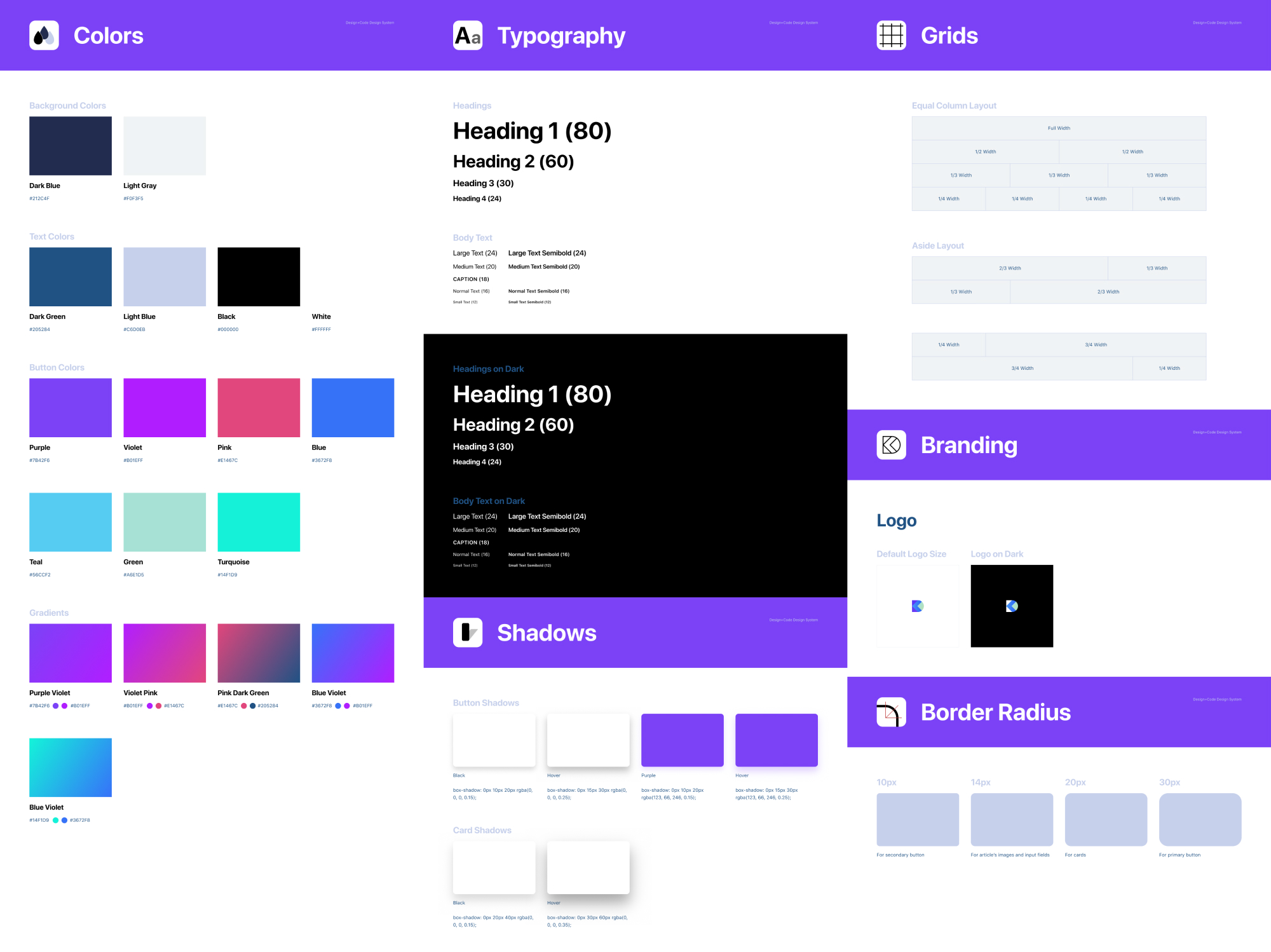
The components list may vary amongst different design systems as it changes according to the need of the product, but basic principles remains the same. The components are designed keeping in mind how it will change when a user will interact with them. The typography must be selected based on the kind of product it represents. Also, the text style must be legible for easy readability and navigation and match brand guidelines.
What is a UI design system?
I hope my story encourages other designers to try out variables in their projects too. You can expect to accelerate your designing workflow pretty effortlessly based on Atomic Design Methodology. Along with 2,000+ of the most-used UI/UX components, you also get access to 1,400+ of Google’s Material Design. They have a few features coming soon, such as a specific library based on React, so keep an eye out for updates. There is a free demo version available, but if you want more than 2,000+ components and variables, you’ll need to splash some cash on the $99 pro version. A 100% free mobile app, the Nucleus UI iOS UI kit allows you to create mobile app prototypes or mockups with ease.
How Design Tools Like Figma and Canva Are Impacting Designers - Future
How Design Tools Like Figma and Canva Are Impacting Designers.
Posted: Tue, 11 Jan 2022 08:00:00 GMT [source]
Templates/Widgets
Design files can be edited by anyone in the browser, shared freely, and they update in real time as multiple users can edit them simultaneously. This opens up the design system to more efficient collaboration not only between designers but also with developers and other stakeholders. We’ve done the prep in the design library; it’s time to bring those colors into our actual design. With more than 2,000 components, 100+ styles, and transport kit patterns, Pegasus is great for those looking to bring together development and design teams. Ant Design Systems for Figma is touted as a “godsend for productivity” with a firm focus on stamping out miscommunications across teams with a well-organized library. The kit also offers all the good stuff, including a wide variety of components and styles, and components.
A robust design system can make this transition faster and more effective, getting everyone to contribute sooner. Rune Madsen published a history of design systems as part of his course Programming Design Systems. In the third part of our series, we talk to design system and accessibility experts about making inclusive systems a top priority. In an ideal world, you’d define your principles right at the start. But in practice, they often emerge later in the process, or evolve as your system matures. The important thing is that once you have them, you make sure everyone is aware of and aligned with them.
That’s why it’s so important for designers to understand and embrace the spatial system. When designers understand why consistent spacing and layout matter, they’re more likely to create designs that look and feel great for users. They exist on a spectrum, and can be useful for everyone from freelancers to large enterprises. If a product is a mature one and doesn’t have an existing component library, the design system should already be determined by the current implementation.

Famous design systems you can take inspiration from:
It’s a common myth that design systems stifle aesthetics, limiting designers’ creativity and enforcing blanket homogeneity across designs. Design systems support designers by solving for repeatable patterns and freeing them up to solve other challenges. Updates can be made in one place and propagated across the system, keeping everyone on the same page.
It’s common for brands of large products to build their own design systems. Some of these design systems even serve multiple products, and the ones that are publicly available can serve your products, too. There’s also a Figma plugin called Relay that designers can use to annotate and hand off Android UI components to developers. Developers, using the Relay plugin for Android Studio, can then receive the Android UI components and use them in their codebase. The annotations can contain information about the component’s layout, content, styles, and interactions, which translates to code automatically. Virta Health, named a rising SF startup to watch in 2018, is fighting diabetes with user friendly design.
How to build your design system in Figma
Before you commit, evaluate your team’s current workflow, the user experience of your product, and the specific problems that need solving. A thorough discussion with your team will help to pinpoint the necessity and potential scope of a design system tailored to your needs. Take stock of any repetitive design tasks or recurring issues that eat up your team’s time. Standardized components from a design system can streamline your process.
It is one of the few design systems and UI kits that solves the 2 issues we've raised earlier on in this article. A UI kit and design system helps you to streamline your workflow, improve your designs, and enable you to create pretty much anything you want to. If you’ve got a love for UI/UX design, then no doubt you’re using Figma. After all, it’s the most used design platform, it’s the easiest and most intuitive, and you can create incredible designs with ease. Whether you’re forking an existing design system or building one from scratch, here are some of the best Figma plugins for design system management. Carbon only supports the web for now, but iOS and Android versions are being crafted.
Placed my variables in the chart, keeping colors of the same weight in one row and colors for the same phase in one column. In case you didn’t know, Block Kit is a UI framework for Slack apps—ever seen a message in Slack that has buttons or a select menu? On the other hand, Modals are more like a popup in that they grab a user’s attention, prompting them for some kind of information or input. You can access a free preview Figma file or, if you’re a student or teacher, get a nice discount code to use on top of your full-price package. If you’re someone who is learning UX/UI design through a paid course, a free course, or learning as you go, the SINAU is great to have as extra practice. However, some are hesitant about the cost of the design system, especially when scaling beyond a certain number of users.
FigJam is an online whiteboard where everyone who builds products can collaborate. Use it to bring your team together in new ways, from kickoffs and stand ups to rituals and retros. Check out Designer Advocate Clara Ujiie’s “An insider’s guide to a seamless Figma migration” for a plethora of resources, tips, and tools for transitioning to Figma. If there’s room to speed up design, prototyping, and updates, a design system can be a catalyst for efficiency, enhancing every stage of product development.
They can include templates, layouts, interaction patterns, code snippets, and components—supported by detailed documentation. This top-level container is your overarching guidance, an ever-evolving foundational collection of resources and processes for your product ecosystem. It can include technical specs, design tokens, documentation, and best practices; it can also include core principles and processes to guide UX design decisions and product development. One of the great things about Figma is that you can share libraries across different files and projects.
The foundations of your design system are the essential visual and functional elements that form its base. They include crucial aspects like accessibility, color, typography, iconography, illustration, and dimensions. These elements work together to create a strong, consistent design language that’s easy for people to use and understand. Building a design system is a team effort, so start recruiting advocates early on. Seek out people who are passionate about design consistency, or who have experience with design systems.
Styles and components can now be created in the library file and can be used in other files and updated from the central library file. Publish assets in team libraries so the latest approved design elements are always a drag and drop away. Creating a design system in a growing organisation might be a challenging and time consuming task, but it benefits the product in the longer term in creating effortlessly consistent user experience. The design system was eventually released to open-source it to allow the community to design and build their projects with Primer.




No comments:
Post a Comment