Table Of Content

A design system is a single source of truth that reduces design redundancy and accelerates the development process. By using the design system, designers spend less time remaking components, and instead pull from a library of brand-approved, development-friendly options to swiftly build out designs. When components are designed with code, tokens, and animation presets, developers can translate them into functional, accessible code, in a fraction of the time. Companies who leverage design systems have witnessed a transformation in their product development lifecycle, achieving faster time-to-market and a cohesive user experience. Remember that initial audit you did, where you looked at all your existing designs and broke them down into individual elements?
Airtable Apps UI Kit
The design system is also part of the Designership’s ecosystem of products and courses to help designers excel. This includes the Ultimate Figma Masterclass—an immersive, interactive, super fun course in becoming a unicorn designer. Along with 40,000+ hours of free Figma lessons and content on The Designership’s YouTube channel and the dedicated Designership community, Figma has never been easier (or more fun!). Stark is an organization committed to increasing digital accessibility, and one of the projects they have in the works right now is an accessible design system for Figma. While all great design systems are accessible enough, Stark specifically focuses on accessibility.
Subscribe for Updates
For example, cards can appear slightly raised off the page, or a dialog box might become a focal point by seeming to float above everything else through the use of shadows. Subtle shadows on fixed navigation bars or inset shadows on navigation drawers can also indicate their position relative to the page. Elevation can help you structure your design, guiding users to understand which elements are primary and which are secondary, in an intuitive way. This series builds on our Introduction to design systems course, which follows the Habitz team as they establish their core principles and translate them into concrete design guidelines. We’ll walk you through the basics of creating a system tailored to your unique goals and challenges, whether building from scratch or starting with existing pieces.
Chakra UI
This kit has one of the more impressive global style systems and also offers a consistent spacing system based on a 4px baseline grid (pretty nifty!). Designed as a way to combat clunky, messy kits that don’t work on scale, Untitled UI is great for larger teams and startups. Banks is incredible when it comes to updates and responding to community messages. The changelog alone is a testament to his commitment to sharing a close-to-perfect kit with fellow Figma-users.
Design system, UI Kits, Style Guide, Pattern Library; What’s the difference?
Trying to use a design system like a toolkit is a great litmus test for its effectiveness. If multiple designers use it regularly in order to speed up their process, it’s doing a good job. If developers can reference it for colors, typestyles, or to do work with less input from designers, that’s also a good sign. Sometimes, it can be counterproductive to invest in creating a design system too soon.
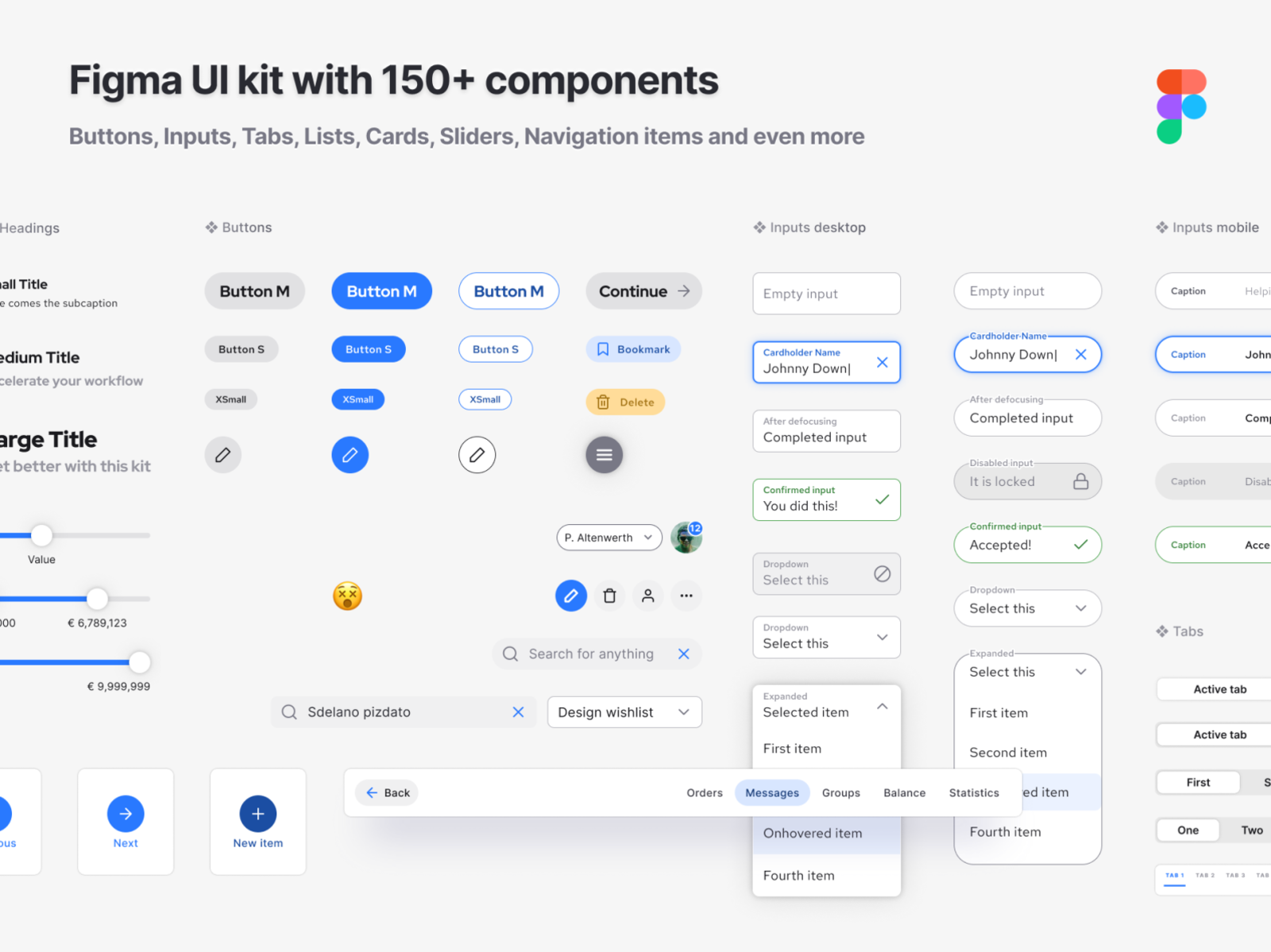
Figma has advanced features that are tailored to meet expectations for consistency during the design process. This tutorial outlines how a Figma component library can work well within a design system. Standardize styles, variables, and components so that everything from color to padding scales seamlessly across your products and brands.
Design systems 102: How to build your design system
The Lo-fi Wireframing Kit is a free library housing over 100 wireframing components. The kit’s creator, David Whitely, had created several “standalone wireframing tools” before realizing that jumping between tools was time-consuming and frustrating. As such, he combined his already-amazing kit with Figma’s native platform to bring everything under one roof. This design kit has quickly gained popularity within the UI community for its back-to-basics approach to design. Renowned for being a “no-fluff” system, the UI Prep design system kit utilizes Figma’s key features, optimized auto layout, and variant components.
These are things like color and font that help make up the aesthetic of the product. Check out the usage of your team's components and variants with design system analytics. Use variables and modes to implement design tokens for you design system. Use color tokens to swap between light and dark modes, or typography tokens to change fonts between brands, and so much more.
Apple announces first official design kit for Figma with iOS 17 and iPadOS 17 resources - 9to5Mac
Apple announces first official design kit for Figma with iOS 17 and iPadOS 17 resources.
Posted: Wed, 07 Jun 2023 07:00:00 GMT [source]
As a design tool, Figma has matured a lot, and new features are constantly added. The addition of a Figma design system with built-in analytics that is accessible to the entire organization is a giant step forward. The addition of these features indicates that Figma aims to be a fully fledged, comprehensive design tool, and it’s well on its way to accomplishing that. For those designers working with Figma, let’s look at how creating a component library in Figma can be a key part of a comprehensive design system. GitHub has even gone so far as to share their Figma component library—a great example of a Figma-based design system. More extensive tools like Storybook and Component-Driven Development are also extremely useful resources for implementing and documenting a design system.
In this article, we’ll take a look at the best Figma design systems and what they’re useful for. It’s something that will grow and evolve along with your team and your projects. Start by laying a strong foundation, and encourage everyone on your team to contribute and help improve your design practices over time. As your system matures, it becomes an integral, evolving part of your workflow, infused with your collective expertise and creativity.
Maybe you’ve noticed that your product looks inconsistent across different platforms, or that making updates is a manual and time-consuming process. Perhaps you want to make collaboration easier, get everyone on the same page, or help new team members get up to speed quickly. These design systems and UI kits from Goldman Sachs allow teams to create client-centric digital products. The ready-to-use responsive layout examples are built using mobile-first principles for some of the most commonly created page types at Goldman Sachs. The introduction of Brad Frost’s atomic design methodology in 2013 was a pivotal moment, redefining the structure of design systems. Just one year prior, I was also beginning my own exploration into systematic design, sparked by experiences with the Twitter Bootstrap framework and insights gained from industry conferences.
It can be used in defining different states of the components like focused, and active or to emphasize components like cards and buttons.
Just like great products, which continue to evolve, a design system is never truly done. Keeping a design system updated and relevant requires a dedicated stream of resources and time, making it a long-term commitment. When it comes to naming cases, there are a few different approaches you can take. Hyphens (like “primary-button”) and camel case (like “primaryButton”) tend to be the most commonly used.
Your principles should establish the purpose and values driving your system, and ensure that every decision ladders up to your organization’s broader goals. Aim for a small set of memorable, actionable statements that can be easily referenced and applied. Before we dive into the nitty-gritty of creating design systems in Figma, let’s start by understanding what exactly a design system is and why it’s essential for designers. When Components and Styles are updated in the Library, the files using them need to accept the changes.




No comments:
Post a Comment